
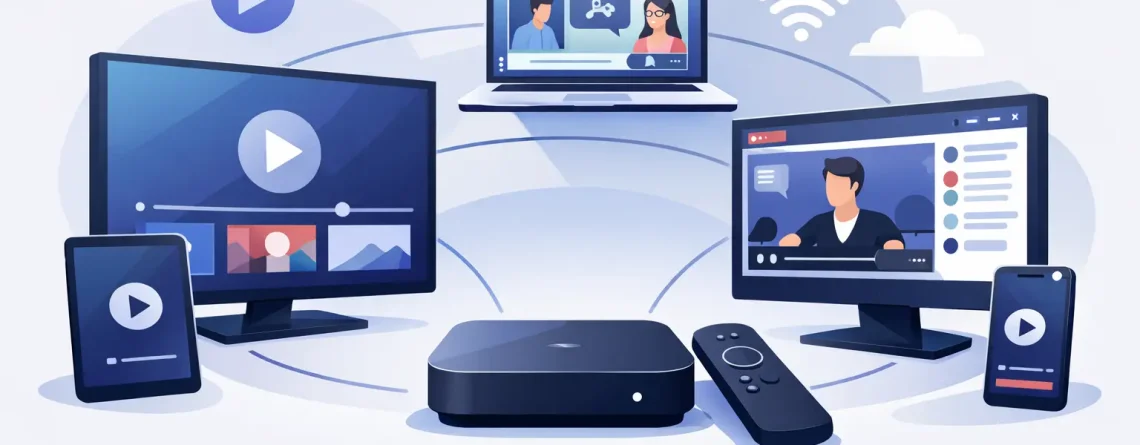
Best Multi Streaming Device for Every Screen
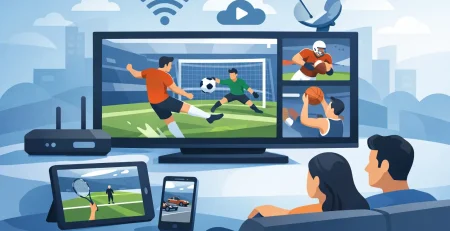
Cable gets expensive fast when everyone in the house wants something different. One person wants live sports in the living room, someone else is watching movies on a tablet, and another is catching international channels on a phone. That is exactly where a multi streaming device setup makes sense. It gives you a smarter, cheaper way to watch more content across more screens without paying for bloated cable bundles.
For households that want flexibility, the real win is not just watching on different devices. It is watching at the same time, with less hassle, faster setup, and better value. If your goal is to cut the monthly bill and still keep live TV, sports, movies, and global content within reach, this is the setup worth paying attention to.
What a multi streaming device setup really means
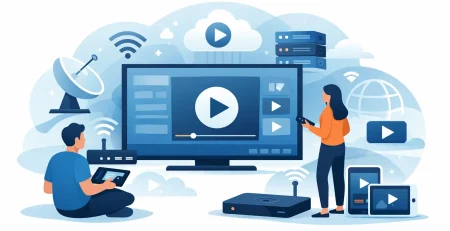
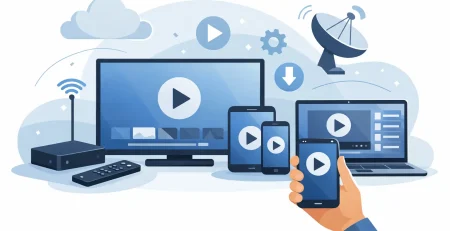
A lot of people hear the phrase and think it means one physical box that somehow powers everything. In practice, a multi streaming device setup usually means a streaming service and app combination that works across multiple devices and supports simultaneous viewing. That can include smart TVs, Firestick, Android TV boxes, phones, tablets, laptops, and more.
The difference matters. A cheap device by itself is not enough if the service behind it is slow, limited, or locked to one screen. On the other hand, a strong service with broad compatibility gives you much more room to build a setup that works for your home. The best experience comes from pairing the right devices with a plan that supports multiple connections.
That is why buyers should stop looking at hardware alone. The better question is simple: can your service actually keep up with the way your household watches TV?
Why demand for the multi streaming device is growing
The old cable model was built around one big bill and limited freedom. Today, viewers want control. They want local channels in one room, live sports in another, and on-demand entertainment on the go. They also want pricing that does not feel like a punishment every month.
A multi streaming device setup fits that shift because it matches real behavior. Families do not gather around one screen all day. People stream from bedrooms, kitchens, offices, and while traveling. If the service only supports one device at a time, it becomes frustrating almost immediately.
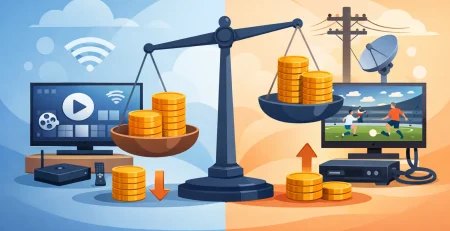
Price is another major reason. Most homes are trying to get more value from every subscription they keep. If one plan can cover multiple users and multiple screens, the cost per person drops fast. That is where IPTV has become a serious alternative for viewers who want more channels and more flexibility without cable-level pricing.
What to look for before you buy
The first thing to check is device compatibility. Some services work well on smart TVs and Android-based platforms but feel clunky on phones or laptops. Others promise broad access but require extra setup that casual users do not want to deal with. If you need simple viewing across several screens, compatibility should be clear from the start.
The second thing is simultaneous connections. This is the feature that turns a basic streaming plan into a real household solution. If your service supports multiple active streams at once, family members can watch what they want without knocking each other offline. That sounds obvious, but many buyers miss it until after they subscribe.
Stream quality matters too. HD availability is great, but only if the service can deliver stable playback during busy hours. Sports fans feel this first. A match that buffers at the wrong moment ruins the experience. Movie fans notice it too, especially on bigger screens where poor quality stands out.
Then there is setup speed. A good streaming service should not feel like a tech project. You should be able to choose a plan, receive your login details, install the app on your preferred device, and start watching quickly. Fast activation is not just a nice feature. For many customers, it is the deciding factor.
The best devices for a multi-room streaming home
Not every household needs the same setup, which is why the best multi streaming device solution depends on how and where you watch. For many users, smart TVs are the easiest starting point because they keep everything simple. Install the app, log in, and start streaming. If your TV interface is slow or outdated, a dedicated device like a Firestick or Android TV box can improve performance right away.
Phones and tablets add flexibility, especially for viewers who move around the house or travel often. Laptops are useful for workspaces, dorm rooms, and backup viewing. The key is not picking one perfect device. The key is choosing a service that performs well across all of them.
There is a trade-off here. A larger number of supported devices sounds great, but only if the user experience stays clean. Some platforms are easy to navigate on a TV remote but awkward on mobile. Others are fine for casual viewing but not ideal for channel surfing. The strongest setup balances convenience with consistency.
Why IPTV works so well with multiple devices
IPTV is built for modern viewing habits. Instead of forcing you into one box, one room, and one expensive contract, it gives you access across the devices you already use. That makes it a natural fit for households that want live TV, sports, movies, and international channels on demand.
The biggest advantage is efficiency. You are not paying for old-school infrastructure and heavy service costs that get pushed onto the customer. You are choosing a digital-first option that can be activated fast and used across your devices almost immediately. For budget-focused households, that difference is hard to ignore.
Another advantage is variety. Many IPTV users are not just looking for mainstream channels. They want local content, premium entertainment, and worldwide programming in one place. A strong multi-device plan makes that content easier to share across the home.
Crypto PAY IPTV fits this model well because it is designed around affordability, fast activation, and multi-device convenience. For households that want more screens and more value without the cable bill, that type of service checks the right boxes quickly.
Common mistakes that cost people money
One mistake is buying new hardware before checking whether the current devices already support the service. In many cases, your smart TV, phone, or tablet is enough. A new streaming stick may improve speed, but it should solve a real problem, not just add another expense.
Another mistake is ignoring connection limits. A plan may look cheap until two or three people try to watch at once and only one stream works. That is why the details matter. If you are shopping for a household, think in terms of actual usage, not just headline pricing.
Internet quality can also be the weak point. Even the best service will struggle on poor home Wi-Fi. If your signal drops in bedrooms or upstairs, the issue may not be the provider. Sometimes the fix is as simple as moving the router, upgrading your internet plan, or adding better coverage in the house.
How to choose the right setup for your home
If you live alone and mostly watch on one screen, keep it simple. A smart TV or streaming stick with a reliable service is usually enough. If you have a couple or small family setup, think about two or more simultaneous streams and support for both TV and mobile devices.
For larger homes, the decision changes. You should focus on plans that allow multiple connections without friction and on services that offer broad compatibility from the start. This is where value really shows up. One well-matched plan can cover the living room, bedrooms, and portable devices without forcing everyone onto the same schedule.
You should also think about what matters most in your home. If sports come first, prioritize stability during peak viewing times. If international content matters, make sure channel coverage is strong. If ease of use matters most, choose the setup that gets people watching fast without constant troubleshooting.
Is a multi streaming device worth it?
For most cable-cutting households, yes. The savings can be substantial, but the bigger benefit is freedom. You get more ways to watch, more control over where you watch, and a setup that fits real life instead of forcing everyone into one screen and one routine.
It is not magic. You still need a dependable internet connection, and the best plan depends on how many people are using it. But if you want affordable access to live TV, sports, movies, and global channels across the devices you already own, this approach is hard to beat.
The smartest move is to think less about finding one perfect gadget and more about building a viewing setup that matches your household. Get the right service, make sure your devices are supported, and give everyone room to watch what they want when they want it. That is where the real value starts.



Leave a Reply