
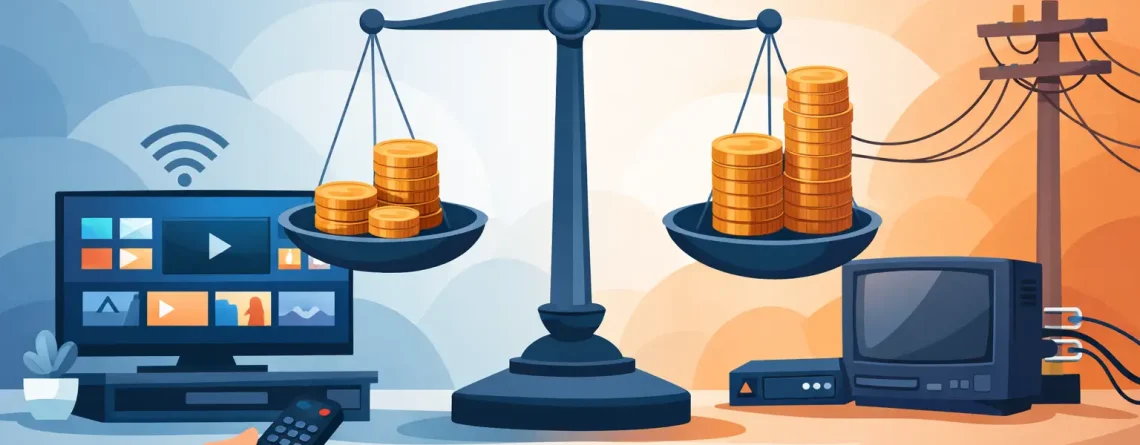
Is IPTV Cheaper Than Cable?
That $180 cable bill usually starts the same way – a base package that looks manageable, then equipment fees, regional sports fees, DVR charges, taxes, and a promo rate that disappears right when you get comfortable. So when people ask, is IPTV cheaper than cable, they are really asking a better question: how much TV do you want, and how much are you willing to overpay for it?
For most price-conscious households, IPTV is the cheaper option. In many cases, it is dramatically cheaper. But the real advantage is not just the lower monthly price. It is the combination of lower cost, more flexibility, faster setup, and access across more devices without the usual cable-company friction.
Is IPTV cheaper than cable in real dollars?
Yes, usually by a wide margin.
Traditional cable in the US often runs anywhere from around $80 to well over $150 per month once the full bill settles in. That number can climb higher if you add premium channels, sports packages, extra boxes, or whole-home DVR service. A lot of households start with one advertised rate and end up paying much more after fees and expiring promotions hit.
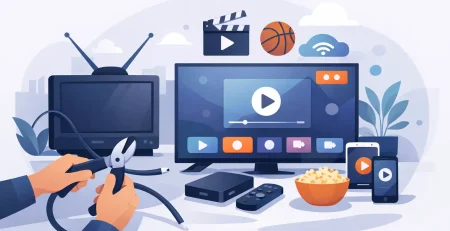
IPTV pricing is usually much simpler. Instead of paying for infrastructure, hardware rentals, technician visits, and bundled channel tiers you may not even want, you are paying for access delivered over your internet connection. That cuts out a lot of the bloat that makes cable expensive.
If your goal is straightforward value, IPTV wins on price in most situations. The gap gets even bigger for families who stream on multiple screens or want international content, sports, and movie channels without stacking multiple subscriptions.
Why cable costs more than it looks
Cable companies are experts at showing one number in the ad and another on the invoice.
The biggest issue is not always the package price. It is everything around it. Equipment rental adds up fast, especially if you need more than one box. DVR service can mean another monthly charge. Broadcast and regional sports fees often show up as separate line items. Then there are installation costs, taxes, service charges, and rate hikes after the introductory offer ends.
That means cable is rarely just cable. It becomes a collection of recurring charges that slowly turn a basic plan into a premium bill.
This is where IPTV has a strong edge. The model is built for speed and direct access. You choose a plan, receive your login details, and start watching on compatible devices without waiting for a technician or renting a box for every room. That difference matters when you are trying to control monthly spending.
Where IPTV saves the most money
The biggest savings show up in households that actually use TV like modern viewers.
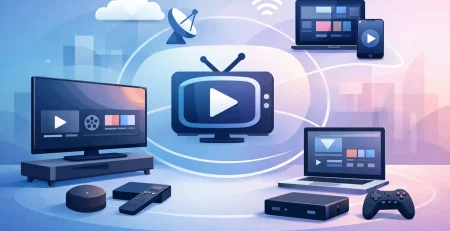
If you watch on a smart TV in the living room, a phone in the kitchen, and a tablet or laptop while traveling, cable can get expensive because it is tied to hardware and location. IPTV is usually much better suited to multi-device viewing. That makes it especially appealing for families, shared households, and anyone who wants TV access without buying into a pile of rented equipment.
Sports fans can also see major savings. Cable often pushes expensive bundles just to get the channels you care about. IPTV services tend to focus on broad access from the start, which can lower the cost of following live sports, movies, and general entertainment without piecing together several paid add-ons.
International viewers may notice the biggest difference of all. Cable packages for foreign-language or international channels are often limited and expensive. IPTV can offer far broader worldwide coverage at a fraction of what cable charges for niche packages.
Is IPTV always cheaper than cable?
Almost always, but there are a few cases where the answer depends.
If you already have a deeply discounted cable bundle tied to internet and mobile service, the monthly difference may look smaller on paper. Some people also prefer cable because it feels familiar and they are used to channel surfing through a set-top box. And if your home internet is weak or unstable, IPTV performance can be limited by the connection you already have.
That said, even in those cases, cable’s total cost tends to rise over time. Introductory deals expire. Extra TVs mean extra hardware. Premium content means more fees. IPTV usually stays closer to the plan price you actually signed up for, which makes budgeting easier and surprises less likely.
Cost is only part of the value
A cheaper service is not a better service if it creates more hassle. That is why this comparison matters beyond the bill.
Cable is built around appointments, installations, contracts in some markets, and limited flexibility. IPTV is built around instant access. You sign up, get credentials by email, and start streaming within minutes on supported devices. For viewers who want speed and convenience, that is not a minor perk. It is a major upgrade.
The value equation changes fast when you factor in HD channels, local content, live TV, movies, sports, and international programming in one place. If a lower-cost service also gives you more ways to watch and fewer barriers to getting started, it stops being just the cheaper option. It becomes the smarter one.
Is IPTV cheaper than cable for families?
In most cases, yes, and this is where IPTV can really pull ahead.
Families do not watch TV on one screen anymore. One person wants live sports, another wants movie channels, and someone else is watching on a phone or tablet. Cable was not built for that kind of flexibility without increasing the bill. More rooms often means more boxes, and more boxes means more monthly cost.
IPTV makes more sense for multi-user households because it supports streaming across a range of devices. That means one subscription can go much further in a real home setting where people watch differently and at different times. For value-focused households, that is a major reason to switch.
The trade-off people should be honest about
There is one thing every customer should understand. IPTV depends on internet quality. If your connection is reliable, the experience can be fast, convenient, and cost-effective. If your internet is inconsistent, your viewing experience may reflect that.
But that is not really a cable advantage as much as a home network issue. More US households now have internet strong enough to stream daily across several devices. For those homes, paying cable-level prices just to keep an old viewing model does not make much financial sense.
What smart buyers should compare before choosing
Do not compare cable’s advertised promo price to an IPTV plan and call it done. Compare the real monthly number.
Look at total cost after fees. Count the number of devices in your home. Think about whether you want local channels, sports, movies, and international content in one place. Ask how fast you can start. Ask whether you want to deal with contracts, installation windows, and box rentals.
Once you compare the full picture, not just the headline rate, IPTV usually comes out ahead.
That is exactly why so many viewers are moving away from cable and toward lower-cost streaming-first options. Services like Crypto PAY IPTV are built for people who want more channels, more flexibility, and more value without the usual cable nonsense. Fast activation, wide device support, and affordable plans are not extras anymore. They are what customers expect.
If you are tired of watching your bill rise faster than your actual entertainment options, the answer is pretty clear. IPTV is usually cheaper than cable, but more importantly, it fits the way people watch TV now. The better question is not whether you can afford to switch. It is how long you want to keep overpaying before you do.


Leave a Reply