

Best Sports HD Live Channels for Every Screen
Saturday night game on the living room TV, highlights on your phone in the kitchen, and another match running on a tablet upstairs – that is how most households watch now. If you are shopping for sports hd live channels, the real question is not just what you can watch. It is how fast you can start, how much you can get for the price, and whether your stream holds up when the game gets good.
That is exactly why more viewers are walking away from expensive cable packages and bloated streaming bundles. They want live sports in HD, more channel variety, and fewer headaches. They also want something simple enough to set up in minutes, not after a weekend of app downloads, hidden fees, and device limits.
What people actually want from sports hd live channels
Most sports fans are not looking for theory. They want clear picture quality, dependable access, and coverage that fits their habits. Some households care about the major U.S. leagues. Others want international sports, regional coverage, fight nights, or nonstop sports news. The best setup does not force you into one lane.
Picture quality matters because sports expose weak streaming faster than almost any other content. Fast motion, crowded frames, score bugs, and camera changes all make low-quality feeds obvious. HD is not a luxury here. It is the baseline if you want the game to look right.
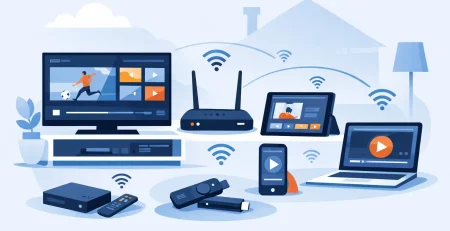
But quality alone is not enough. You also need flexibility. A lot of viewers watch across multiple screens, and that changes what makes a service worth paying for. If one person wants football in the family room while someone else watches a movie on a bedroom TV, a rigid one-screen setup starts to feel outdated fast.
Why cable keeps losing this fight
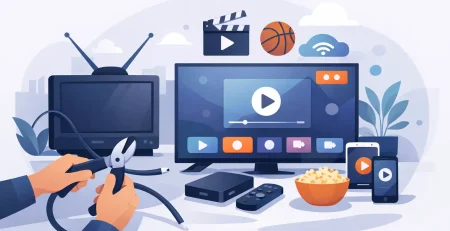
Cable still has name recognition, but for value-conscious households, it is losing on the points that matter most. Monthly bills creep up. Equipment fees pile on. Contracts drag out the pain. And once you add premium sports access, the price gap gets even wider.
That is where IPTV stands out. It gives viewers a faster, lower-cost path to live TV, sports channels, movies, and international content without the old-school baggage. Setup is usually much faster. Device choice is broader. And the overall experience fits how people actually watch in 2026 – on smart TVs, phones, tablets, streaming boxes, and laptops.
There is a trade-off, and it is worth saying clearly. Your internet connection matters. If your home network is unstable, no provider can magically erase that. But if you already stream video at home, IPTV can be a very practical cable replacement, especially if your priority is broad access for a lower monthly cost.
Sports HD live channels are only as good as the setup
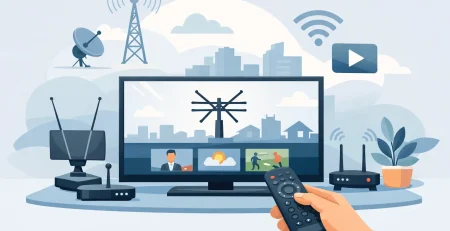
A lot of people blame the service when the real issue starts at home. Live sports streaming depends on a few basics working together – your internet speed, device performance, app stability, and the quality of the source feed itself.
If you are watching on an older device with limited memory, channel switching may feel slower. If your Wi-Fi struggles in certain rooms, HD playback can buffer at the worst moment. If too many people are hammering the same connection, quality can dip. The good news is that most of this is easy to improve.
Use a reliable internet connection, keep your streaming app updated, and choose a device that can handle live video smoothly. Smart TVs work well for many homes, but dedicated streaming devices often feel faster. Phones and tablets are great for personal viewing, while laptops help when you want portability without sacrificing screen size.
This is also where multi-connection access becomes a serious advantage. A household should not have to fight over one login or one screen. When more people can watch at the same time, the service becomes more useful every day, not just during a big event.
What makes a sports streaming service worth paying for
The strongest value is not about one feature. It is about how the full package performs together. Fast activation matters because nobody wants to wait days to start watching. Broad channel coverage matters because sports fans rarely watch just one league. HD availability matters because blurry motion ruins the experience. And responsive support matters because live TV problems are time-sensitive by nature.
Affordability is where many services either win or lose. A cheap plan is not a bargain if the channel lineup is thin or the stream quality falls apart. On the other hand, a service can be extremely competitive if it combines strong sports coverage, broad entertainment access, and support for multiple devices at a price that undercuts cable by a wide margin.
That is the sweet spot most families are chasing. They want live sports, local channels, movie channels, TV content, and international programming in one place. They want to sign up, get their credentials, and start watching within minutes. They do not want contracts. They do not want equipment rentals. They want the fastest route from payment to playback.
How to choose the right sports hd live channels plan
Start with your household, not the marketing. If you live alone and only watch a few major games each week, a short-term plan may be enough to test the experience. If your home has multiple viewers and different interests, annual pricing can make far more sense because the savings usually improve over time.
Then think about device count. This part matters more than people expect. A plan that works for one person may fall apart for a family. If you need access across a living room TV, bedroom screen, tablet, and phone, look for a service built around simultaneous use rather than occasional switching.
Next, consider channel mix. Some users mainly want U.S. sports and local coverage. Others need worldwide channels because their favorite teams, leagues, or events are not always easy to find on standard bundles. A strong IPTV option should cover both mainstream and international viewing without forcing a huge jump in price.
Finally, be honest about support. Sports viewers are not patient when a live event is about to start. Good support is not a bonus. It is part of the product.
Why speed and convenience keep winning
One reason IPTV keeps growing is simple: people are tired of friction. They do not want a technician visit. They do not want to negotiate bills. They do not want to wait for a box in the mail. They want a plan they can choose online, credentials sent quickly, and a service that works across the devices they already own.
That convenience changes the buying decision. Viewers stop comparing IPTV to traditional cable feature by feature and start asking a more practical question: why pay more and wait longer for less flexibility?
For sports fans, that answer gets even clearer during busy weekends and major events. The ability to move from room to room, keep different channels running, and access sports alongside movies and general entertainment makes the service more than a one-purpose purchase. It becomes the center of the household viewing setup.
A lower-cost path does not have to feel limited
There is an old assumption that paying less means settling for less. In live TV, that is no longer automatically true. A well-designed IPTV service can deliver a surprisingly broad lineup, strong HD access, and real day-to-day convenience at a price that feels dramatically more reasonable than legacy TV packages.
That does not mean every viewer needs the exact same plan. Some people prioritize volume and worldwide content. Others care most about U.S. sports and local channels. Some need ten connections because the whole family watches at once. Others just want dependable HD on two or three screens. The right choice depends on how you watch, not on the biggest bundle with the loudest ad.
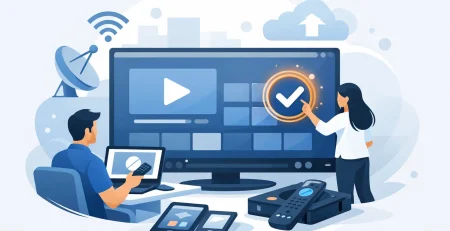
For households that want speed, affordability, and broad access in one place, Crypto PAY IPTV fits that need with the kind of fast setup and multi-device flexibility modern viewers expect. It is built for people who want more channels, more convenience, and less monthly pain.
Getting started without overthinking it
If you have been putting off the switch, you probably already know why. There are too many options, too many promises, and too much noise. The easiest way to cut through it is to focus on what you actually need tonight, this weekend, and next month.
Do you want sports hd live channels in clear quality? Do you want a cheaper alternative to cable? Do you want enough connections for the whole household and a setup that starts fast? If the answer is yes, stop shopping like it is a long-term headache and start choosing like it is a simple upgrade.
The best streaming setup is the one that fits your screen, your budget, and your routine without making you work for it. Pick the service that gets you to the game faster and keeps the rest of the house happy too.






Leave a Reply