

International Channels Streaming Guide
Cable gets expensive fast when your household wants more than local news and a few sports networks. If you need global news, regional sports, foreign-language entertainment, and kids’ channels in one place, this international channels streaming guide will help you cut through the noise and choose a setup that actually fits your budget.
The big sell in this category is simple: more channels, more countries, lower cost. But not every service delivers the same value. Some focus on premium sports. Some lean hard into movie libraries. Others are built for families who want local US channels plus international programming running on multiple screens at once. That difference matters, especially when you’re replacing cable and not just adding another app.
What an international channels streaming guide should actually help you answer
A lot of buyers already know what they want. They want Hindi channels for parents, Latino sports for weekends, Arabic news, UK entertainment, or French programming that standard US live TV bundles barely touch. The real question is not whether international streaming exists. It does. The question is whether the service gives you the right mix of channel depth, stream quality, device support, and price.
That is where people waste money. A cheap plan is not cheap if it buffers during live sports. A huge channel list is not useful if half the categories are filler. And a service with global content is less appealing if setup takes hours or the app only works on one device in the house.
The best choice usually lands in the middle of three priorities: coverage, performance, and convenience. If one of those falls apart, the whole experience feels second-rate.
Start with channel coverage, not the headline price
The first thing most shoppers check is price. That makes sense, but it should not be first. Start with the actual channels and regions you care about. A service can advertise thousands of options and still miss the exact sports network, movie package, or language group your family watches every week.
Look at country coverage in practical terms. Does it include the US and Canada along with your target regions? Are there entertainment, news, movies, kids, and sports categories, or is the international section just a thin add-on? If you follow live events, pay close attention to sports and local broadcast availability because those are usually the channels people notice missing first.
This is also where household habits matter. One viewer may only want European soccer and a few movie channels. A larger family may need US local channels in one room, international news in another, and cartoons on a tablet. A better international channels streaming guide focuses on usage, not marketing claims.
Stream quality matters more than giant channel counts
A massive lineup sounds great in an ad. In real use, stream stability is what keeps people subscribed. If the picture drops when traffic spikes, the low monthly price loses its shine pretty quickly.
HD availability should be a baseline expectation, especially for sports and movie channels. But quality is not just resolution. It includes how fast channels load, how often streams freeze, and whether the service holds up during peak hours. That is why buyers should look beyond screenshot promises and think about consistency.
There is always a trade-off here. Some ultra-budget options focus on quantity over reliability. Higher-performing services may cost a little more, but they save frustration. For many households, that balance is worth it because a smooth live TV experience is the whole point of switching from cable in the first place.
Device support can make or break the deal
This is where many streaming buyers get tripped up. They find a package with attractive pricing and a strong international lineup, then realize it only works well on one device type or limits simultaneous viewing too aggressively.
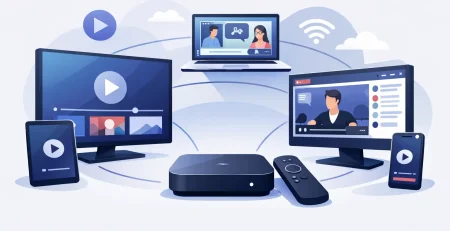
A strong service should support smart TVs, phones, tablets, laptops, and streaming devices without turning setup into a project. Multi-device access matters even more for busy homes. If several people want different channels at the same time, single-screen plans can become a headache fast.
For North American households, flexibility is a major selling point. People start a game on the living room TV, switch to a phone while cooking, then finish on a tablet in bed. That is normal behavior now. The best providers are built for it.
Setup speed is part of the product
People leaving cable are usually not looking for another slow, complicated service. They want to pick a plan, get access, and start watching. Fast activation is not a nice extra. It is part of the value.
That is especially true for viewers buying around a live event, a tournament, or a new season. Nobody wants to wait days for access when the goal is instant entertainment. A modern provider should make sign-up simple, send credentials quickly, and keep onboarding straightforward enough for non-technical users.
This is one reason IPTV services have gained so much traction with value-focused viewers. The appeal is clear: broad content, lower cost, and near-immediate access without contracts, installation visits, or clunky hardware. Crypto PAY IPTV, for example, leans hard into this model with fast setup, wide device coverage, and pricing built for cable cutters who want more for less.
How to compare costs without getting fooled
Monthly price is only one part of the equation. Short-term plans are useful if you want to test a service or only need seasonal sports access. Longer plans can cut the monthly cost dramatically, but only if the service already checks the boxes on quality and channels.
A smart buyer compares cost against three things: how many channels they will actually use, how many devices can stream at once, and whether the service replaces multiple subscriptions. If one plan covers live TV, international content, sports, and movies across several screens, it can beat the economics of stacking cable, sports add-ons, and separate language-specific apps.
That said, cheaper is not always better. If support is weak or streams are unreliable, the low price becomes expensive in lost time and frustration.
Customer support is not just for emergencies
Streaming sounds simple until a login email lands in spam, an app needs a quick configuration step, or a user wants to change devices. That is why responsive support still matters, even with services designed for fast activation.
For price-conscious households, good support protects the value of the subscription. It shortens downtime and reduces trial-and-error. This matters even more when multiple family members rely on the same account across different screens.
If a provider offers 24/7 support, that can be a real advantage for sports fans and late-night viewers. International programming also means people watch across different schedules and time zones, so help should not disappear after business hours.
The practical way to choose the right service
If you are serious about replacing cable, keep the evaluation simple. First, define your must-have channels and regions. Second, make sure the service works on the devices you already own. Third, check whether the plan supports your household’s number of simultaneous viewers. Then weigh the price against stream quality and support.
Do not get distracted by oversized channel numbers alone. A smaller but more reliable lineup can be the better buy. And if your household watches a mix of US local channels and overseas programming, make sure the provider is strong in both. Some are excellent internationally but weak on domestic coverage. Others do the opposite.
The sweet spot is a service that combines affordability, broad channel access, quick setup, and enough screen flexibility to handle real household use.
Why this international channels streaming guide points toward IPTV for many buyers
For US viewers who want cheaper access to global TV, IPTV often stands out because it matches how people actually watch now. It is fast, flexible, and built for multi-screen homes. Instead of paying cable-level prices for a limited lineup, buyers can get access to live TV, sports, movies, and international channels at a much lower monthly cost.
That does not mean every provider is equal. The strongest options win on the basics: better uptime, faster access, wider device compatibility, and support that answers when something goes wrong. If those pieces are in place, the value can be hard to ignore.
The right service should feel easy from day one. You sign up, get your access, and start watching the channels your household actually cares about. That is the standard people want now, and honestly, it is the standard they should expect.
If you are shopping for global entertainment without the cable bill, keep your focus on what works in real life: the channels you watch, the devices you use, and the speed you expect. When those line up, international streaming stops feeling like a workaround and starts feeling like the smarter way to watch.










Leave a Reply