
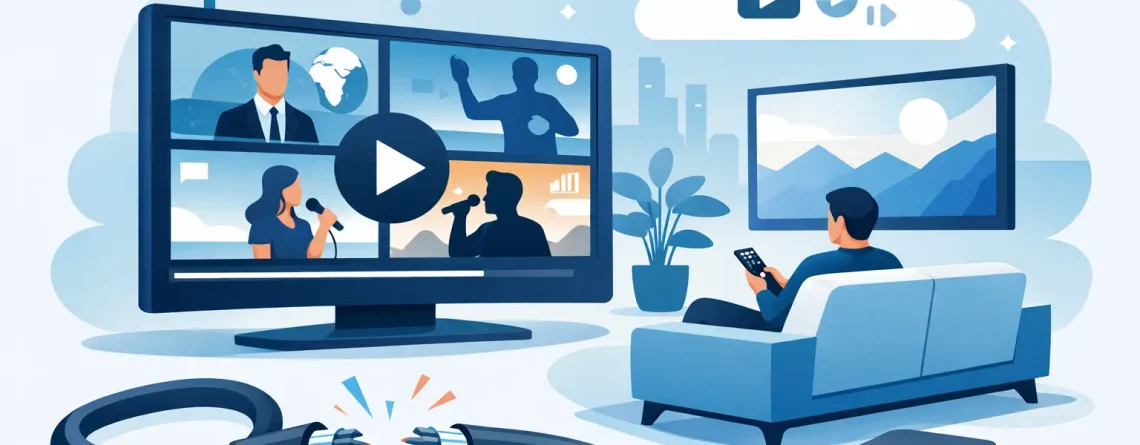
HD Live Channels Without the Cable Bill
Cable prices keep climbing, yet most people still watch the same few categories every week – sports, local news, movie channels, and a mix of everyday entertainment. That is exactly why hd live channels have become such a smart upgrade. You get the picture quality people expect, the flexibility cable never gave you, and a setup that fits how households actually watch now: on smart TVs, phones, tablets, and laptops.
For price-conscious viewers in the US, this is less about chasing trends and more about cutting waste. If you are paying a premium for bloated bundles, hidden fees, box rentals, and long-term contracts, the old model stops making sense fast. The better move is simple: keep the channels you care about, stream them in HD, and start watching within minutes instead of waiting around for an installer.
Why hd live channels matter more than ever
Picture quality is not a luxury anymore. It is the baseline. If you are watching live sports, breaking news, or fast-moving action, poor resolution ruins the experience. Blurry feeds, laggy streams, and unreliable channel access are the fastest way to make any TV service feel cheap, no matter what it costs.
That is where hd live channels make a real difference. They give viewers a cleaner, sharper viewing experience across the content they actually use. Sports look better. Local stations are easier to follow. Movie channels feel more cinematic. Even everyday channel surfing feels faster and more enjoyable when the stream quality holds up.
There is also a practical side to it. Many households are no longer watching on one screen in one room. A family might have a game on the living room TV, news on a tablet, and cartoons running on another device. HD matters because people notice the drop in quality immediately when they switch between screens. If the service cannot keep up, frustration kicks in fast.
What people really want from a live TV service
Most buyers are not looking for a complicated feature list. They want value. They want speed. They want enough channels to cover the whole house without paying cable-company prices.
That usually comes down to a few key expectations. First, they want broad access – local channels, sports, movies, entertainment, and international programming in one place. Second, they want device freedom. If a service only works well on one screen, it is already behind. Third, they want setup to be simple enough that they can buy, receive credentials, log in, and start streaming the same day.
Affordability is the pressure point that pushes many people to switch. Traditional TV packages often cost far more than they should, especially once extra fees appear. A lower-cost IPTV option becomes attractive because it strips away a lot of that friction. You are not paying for technicians, hardware headaches, or channel bundles padded with content you never use.
HD live channels should be easy, not complicated
A lot of TV providers still make the signup process feel heavier than it needs to be. That is outdated. People expect immediate access. They buy a plan online, receive login details by email, and want to be watching right away.
That expectation is reasonable. Streaming should feel direct and efficient. Choose a plan. Activate fast. Open your device. Start watching. That is the standard now.
This is one reason IPTV services continue to gain traction with households looking for a cable alternative. They remove many of the delays people hate. There is no waiting for physical installation. No need to plan your week around a service appointment. No feeling locked into a bloated package because canceling is a hassle.
Fast setup matters even more when customers are switching for a specific reason. Sometimes it is football season. Sometimes it is access to international channels for family members. Sometimes it is just sticker shock after another cable bill increase. In all of those cases, speed matters. People do not want a long transition. They want a better option now.
What separates good hd live channels from bad ones
Not every service that promises HD delivers a strong day-to-day experience. The label alone is not enough. What matters is consistency.
A good service gives you stable access to the channels you actually watch, not just a giant number meant to look impressive on a landing page. It should support the devices you already own and make it easy to switch between them. It should also offer enough simultaneous connections for real households, because modern TV use is shared.
Support matters too. People rarely think about customer service until something goes wrong, but that is exactly when fast help counts. If a user needs assistance with setup, login details, or device configuration, waiting days for a response is unacceptable. Around-the-clock support is not just a nice extra. For a live TV service, it is part of the product.
There is a trade-off worth mentioning here. Massive channel access is great, but if a service cannot maintain speed and usability, the size of the catalog means less. On the other hand, a smaller but stable lineup can feel better in daily use. The strongest providers aim to deliver both – big selection and reliable streaming quality.
Who benefits most from switching
The biggest winners are households paying too much for too little flexibility. If you are tired of expensive bills and fixed hardware, streaming hd live channels across multiple devices is a clear step forward.
Sports fans benefit because live events are time-sensitive. Nobody wants to miss kickoff, opening pitch, or the final few minutes of a close game because a provider makes access difficult. Families benefit because one plan can support different viewing habits at the same time. International viewers benefit because they can find wider worldwide coverage without stacking multiple subscriptions.
This model also works well for people who travel, split time between homes, or simply watch TV in different rooms. Cable was built around a fixed location. Modern streaming is built around the user. That shift changes everything.
Why affordability is the real game changer
Picture quality gets attention, but price is often what drives the final decision. The appeal is not just that IPTV can cost less. It is that the value can be dramatically better.
When viewers get HD channels, sports coverage, movie access, local programming, and multi-device support for a fraction of cable pricing, the comparison gets hard to ignore. You are not sacrificing convenience to save money. In many cases, you are gaining convenience at the same time.
That is a big reason services like Crypto PAY IPTV appeal to budget-focused households. The offer is simple and strong: broad entertainment access, fast activation, support for multiple devices, and pricing built for people who are done overpaying. That combination speaks directly to what the market wants right now.
Still, it depends on your priorities. If someone only watches a handful of on-demand shows and never tunes into live content, a live TV package may not be the main need. But for homes that rely on sports, local channels, and everyday live viewing, hd live channels can replace a lot of cable pain with a much simpler setup.
The smarter way to think about TV now
People do not need more complexity from their entertainment. They need fewer barriers between choosing something to watch and actually watching it. That is why the shift away from cable keeps accelerating.
The best live TV experience today is built around speed, flexibility, and value. It works on the screens people already own. It gives households room to watch what they want. It cuts costs without making quality feel like a compromise.
If your current provider is charging too much, moving too slowly, or forcing you into a setup that no longer fits your life, that is your signal. Better TV does not have to mean a bigger bill. Sometimes it just means choosing hd live channels that match the way you already watch.


Leave a Reply