
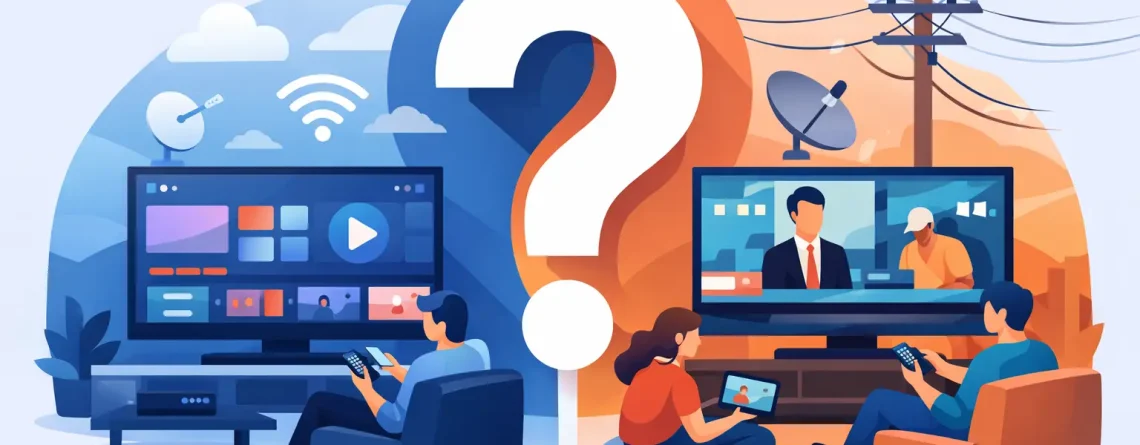
Can IPTV Replace Cable for Good?
Cable used to be the default. You picked a package, booked an install, rented the box, and accepted the bill. Now more households are asking a sharper question: can IPTV replace cable without giving up the channels, sports, and convenience they actually use? For a lot of viewers, the answer is yes – but only if they care more about value and flexibility than the old cable model.
That matters because cable is no longer winning on price or convenience. Most people do not want long contracts, hidden fees, equipment rentals, or a bloated bundle packed with channels they never watch. They want live TV, sports, movies, local content, and international channels on the screens they already own. They want it fast. They want it affordable. And they want it to work across the whole house.
Can IPTV replace cable in real life?
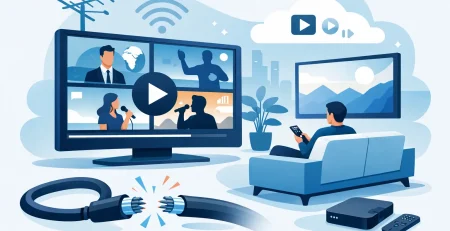
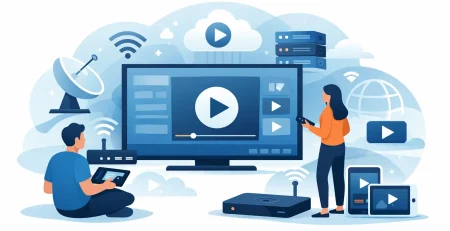
In practical terms, IPTV can replace cable for many households because it delivers the same core outcome – live television over a subscription – while cutting out a lot of cable’s friction. Instead of relying on a traditional cable line and provider-supplied hardware, IPTV streams content over your internet connection. If your home internet is solid, you can watch live channels, on-demand content, sports, and regional or global programming on smart TVs, phones, tablets, laptops, and streaming devices.
That is the big shift. Cable is tied to a location and a provider’s infrastructure. IPTV is built for how people watch now. One account can support a household that moves between living room TVs, bedroom screens, mobile devices, and travel use. For families, that flexibility alone can make cable feel outdated.
Still, replacement depends on your habits. If your main goal is to turn on live TV, follow sports, catch movies, and browse a broad channel lineup without paying premium cable rates, IPTV is often the stronger fit. If you are deeply attached to one cable company bundle with internet, home phone, and a very specific local setup, the switch may take a little more comparison.
Why more viewers are leaving cable
The cable model has a pricing problem. A low advertised rate rarely stays low for long. Taxes, broadcast fees, regional sports fees, DVR charges, and hardware rentals push the monthly total higher than expected. Even worse, many customers pay extra for channels they did not ask for just to get the few they actually want.
IPTV appeals to a different mindset. It is direct, fast, and usually much lower in cost. You choose a plan, get your login details, and start streaming in minutes. No technician visit. No drilling. No waiting around for a service window. That speed matters to people who want TV today, not next week.
There is also the content advantage. Many IPTV users are not just trying to match cable. They want more than cable ever gave them. That includes wider international channel coverage, more sports options, more movie channels, and access on multiple devices without the old one-box-per-room nonsense.
For price-conscious households, this is where the decision gets easy. If one service can cover more screens, more viewing styles, and more channel variety for a fraction of cable pricing, cable starts looking like the expensive legacy option.
The biggest differences between IPTV and cable
The first difference is delivery. Cable comes through a physical network managed by the provider. IPTV uses the internet. That means your streaming quality depends heavily on your connection. With strong internet, IPTV can feel fast and smooth. With weak internet, any streaming service will struggle.
The second difference is flexibility. Cable keeps users inside a provider-controlled setup. IPTV works across a wide range of devices, which gives households more freedom. You are not paying for the privilege of using one rented box in one room.
The third difference is scale. Cable packages are often regional and limited by what the provider offers in your area. IPTV can open the door to local channels, national sports, premium entertainment, and worldwide programming in one place. For multilingual families or viewers who follow content from multiple countries, that gap is huge.
Then there is activation. Cable can still feel slow and bureaucratic. IPTV is built for instant access. That speed is a real selling point, especially for customers who want to sign up and start watching the same day.
Where IPTV is clearly better than cable
If your priority is value, IPTV has a strong edge. Lower monthly cost is the headline, but the real win is what that lower cost can include: HD channels, sports, movies, local content, international programming, and support for several devices at once.
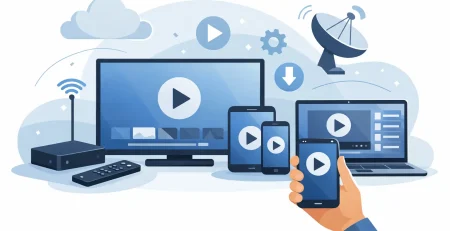
Convenience is another major advantage. Modern households do not watch TV in one fixed spot anymore. People move between screens constantly. One person watches the game in the living room, another streams a movie on a tablet, and someone else catches a live channel on a phone. IPTV fits that behavior better than cable because it was built for connected devices, not for a single cable box under one TV.
Choice matters too. Cable has spent years packaging TV around provider priorities. IPTV is more aligned with user demand. People want broad access, fast setup, fewer restrictions, and no inflated bill at the end of the month. That is exactly why services like Crypto PAY IPTV attract customers looking for a lower-cost, faster, more flexible way to watch.
Where cable still has an edge
There are trade-offs, and pretending otherwise does not help anyone. Cable still feels familiar to some users, especially people who prefer a technician-installed system and do not want to think about apps, device setup, or internet performance. If someone wants the most traditional TV experience possible and is comfortable paying more for it, cable can still appeal.
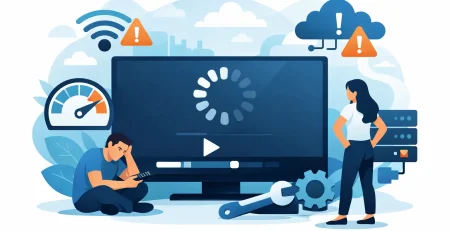
Cable may also feel more predictable in homes with unreliable internet. Since IPTV depends on your connection, poor bandwidth can affect stream quality. That is not a flaw unique to IPTV – it is true of streaming in general – but it matters. If multiple people in your home are gaming, working, and streaming at the same time, you need internet that can handle it.
For some viewers, hyper-local channel preferences also matter. Not every service lineup is identical, and anyone considering a switch should always check whether the channels they care about most are included.
Can IPTV replace cable for sports fans?
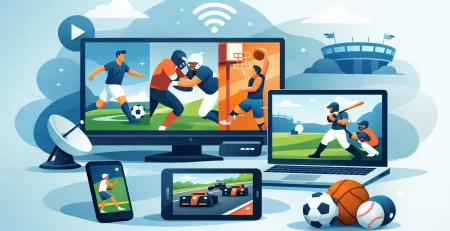
For many sports fans, yes. In fact, sports is one of the biggest reasons people consider the switch. Cable used to dominate because live sports kept viewers tied to expensive packages. Now IPTV gives fans another route to follow major events, league coverage, and sports channels across devices without paying cable-level monthly costs.
The real advantage is flexibility. Sports fans do not just watch from the couch anymore. They watch at home, at work, while traveling, and on second screens during other events. IPTV matches that lifestyle better than cable because it is not locked to one room or one company-issued box.
The only real condition is internet quality. If you want stable live sports streaming in HD, your connection needs to be reliable. When that piece is in place, IPTV is a serious cable replacement for fans who want more freedom and lower bills.
What to check before switching
If you are asking whether IPTV can fully replace your cable service, the smartest move is to look at your actual habits. Start with your monthly bill. Then look at how many channels you really watch, how often your household uses multiple screens, and whether you are paying extra for boxes, DVR, or add-ons you barely touch.
Next, check your internet strength. A stable connection is the foundation of a good IPTV experience. If your internet already supports streaming, gaming, and remote work without issue, you are probably in a strong position to switch.
Finally, think about convenience. Do you want installation appointments and hardware rentals, or do you want quick activation and immediate access? Most modern viewers already know the answer.
The cable era was built around limited choice and high monthly bills. IPTV is built around speed, flexibility, and better value. For a growing number of US households, that is not just a nice alternative. It is the smarter move. If you are tired of overpaying for old-school TV, this is the moment to switch to something that fits how you actually watch.


Leave a Reply