
Best Live TV Alternative for Cable Cutters
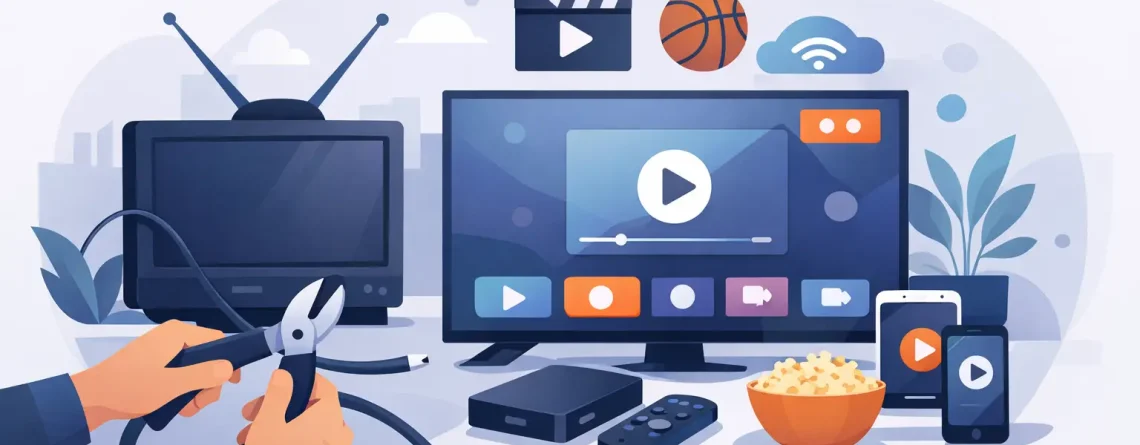
Cable bills have a habit of growing quietly. One month you are paying for a basic package, and the next you are covering broadcast fees, equipment rentals, sports add-ons, and a contract you never wanted. The best live tv alternative gives you a different deal: watch the channels you care about on the devices you already own, with more flexibility and far less friction.
For households that want live sports, news, movies, local programming, and international channels without a traditional cable setup, internet-based TV is the obvious place to start. But not every option is built for the same viewer. The right choice depends on what your household watches, how many screens are active, and whether you want a limited channel bundle or broad live-TV access.
Why Cable Is Losing Its Grip
Traditional cable was designed around one provider, one box, and one expensive monthly bill. That model no longer matches how people watch. Families now split viewing between smart TVs, phones, tablets, laptops, streaming sticks, and other connected devices. They expect to move from the living room to the bedroom without calling a technician or paying for another receiver.
The biggest problem is not just price. It is control. Cable packages often force customers into long bundles filled with channels they never watch. Installation appointments can take hours. Equipment needs to be returned. Promotional prices expire. The simple act of watching live TV becomes more complicated than it needs to be.
A strong cable replacement puts the viewer back in charge. You choose the subscription length, activate online, use compatible devices, and watch where it works for you. That is the value people are really looking for.
What Makes the Best Live TV Alternative?
The best live tv alternative is not automatically the one with the biggest channel number or the lowest advertised price. It needs to work when the game is on, when breaking news starts, and when several people in the house want different programming at the same time.
Start with channel relevance. A massive lineup sounds great, but it only matters if it includes the categories your home watches most: sports, national news, entertainment, movie channels, kids programming, local coverage, or channels from abroad. International households should pay particular attention to regional content and language options instead of settling for a US-only bundle.
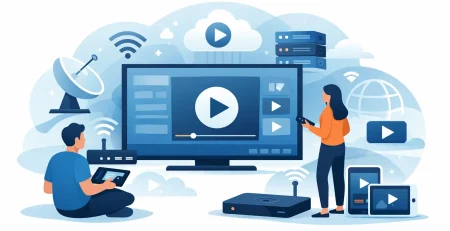
Next, look at device compatibility. Your service should fit your setup, not demand a whole new one. Smart TVs, streaming devices, Android and iOS phones, tablets, laptops, and popular TV boxes can all play a role in a flexible viewing setup. Before subscribing, confirm that the service supports the devices you use every day.
Finally, do not overlook simultaneous connections. A single-stream plan may work for one person, but it creates instant conflict in a busy home. One person wants the big game, another wants a movie, and someone else is watching from a phone. Multi-device access is not a luxury for many households. It is the difference between a useful service and a frustrating one.
Your Main Cable-Free Choices
There is no one-size-fits-all answer. Each live-TV alternative has a different cost, content mix, and trade-off.
Antenna TV
An over-the-air antenna can deliver local broadcast channels without a monthly subscription in areas with reliable reception. It is a practical choice for viewers focused on major local stations, network shows, and some live sports.
The limitation is obvious: an antenna is not a full cable replacement. Channel availability depends on where you live, reception can vary, and it will not provide the broad sports, movie, entertainment, or worldwide programming lineup many viewers expect.
Mainstream Live-TV Streaming Bundles
Large streaming platforms offer familiar live channels through an app instead of a cable box. They can be convenient, particularly for viewers who want a polished interface and a narrow set of major US networks.
The trade-off is price. These bundles often keep climbing toward cable-level monthly costs, especially once premium channels and other extras are added. Channel disputes can also remove networks with little warning. They are cable-free, but they are not always budget-friendly.
On-Demand Streaming Apps
On-demand services are great for series, movies, and original programming. They work well alongside live TV, but they do not replace it for viewers who follow live sports, breaking news, special events, or channels that run around the clock.
If live programming matters, on-demand apps are usually part of the setup rather than the full answer.
IPTV Services
IPTV delivers television through an internet connection rather than a cable line. For viewers who want a broader range of live channels, sports, movies, and international programming in one place, it can offer a more complete cable replacement experience.
The appeal is direct: fast activation, no technician visit, flexible plans, HD viewing where available, and support for multiple devices. A provider such as Crypto PAY IPTV is built around this value – wide live-TV access at a price designed to stay below the cost of traditional cable.
As with any streaming service, verify what is included in the plan, whether it works on your devices, and whether the provider has the rights or authorization required for the content offered in your location. Clear terms and responsive customer support are worth more than a vague promise.
How to Choose a Plan Without Overpaying
Start with a realistic household checklist. Think about the channels you would miss tomorrow if they disappeared. That might be a local news station, a particular sports league, movie channels, a favorite entertainment network, or programming from another country. This is much more useful than chasing the biggest channel total.
Then count your screens. A couple living in one apartment may be fine with a basic connection limit. A family with several TVs, phones, and tablets should look for a plan that supports multiple simultaneous streams. Check whether the stated number refers to devices registered on the account or devices watching at the same time. Those are not always the same thing.
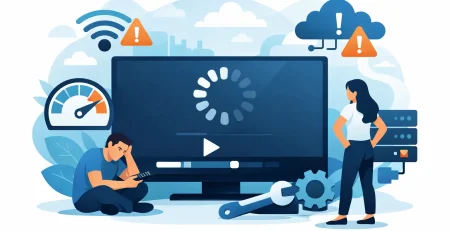
Also consider your internet connection. Live TV quality depends on stable broadband, especially when several people are streaming in HD at once. If your connection is slow or inconsistent, upgrading the TV plan alone will not fix buffering. When possible, use a wired connection for the main TV device or place your Wi-Fi router where the signal can reach your viewing areas reliably.
Shorter subscriptions are useful when you are testing a new setup or only need access during a sports season. Longer plans can deliver better value for viewers who know what they want. The smart move is not automatically choosing the cheapest option. It is choosing the plan that matches how long you will actually use it.
A Better Setup Takes Minutes, Not an Appointment
The old cable process involved scheduling, waiting, installing boxes, and hoping the bill matched the offer. Streaming-based TV should feel much faster. After selecting a plan, you should receive your account details, install or open a compatible viewing app, enter the credentials, and begin watching.
Keep your setup simple at first. Start with the TV your household uses most, test a few channels at the times you normally watch, and check picture quality. Then add phones, tablets, or other screens. This approach makes it easier to spot a device setting or Wi-Fi issue before everyone in the house starts using the service.
Customer support matters here. A service can have an impressive lineup, but it still needs help available when login details, app settings, or device questions get in the way. Fast answers protect the convenience that made you leave cable in the first place.
Do Not Settle for a Smaller Version of Cable
The point of cutting cable is not to trade one restrictive bill for another. It is to get live television that fits your budget, devices, and household without wasting money on hardware, inflated bundles, or long contracts.
Choose the channels that matter, make sure your connection can handle your screens, and select a provider that makes activation clear and support easy to reach. When your live-TV service works around your life instead of locking you into its rules, the cable cord is much easier to leave behind.





Leave a Reply