
What Is Multi Stream and Why It Matters
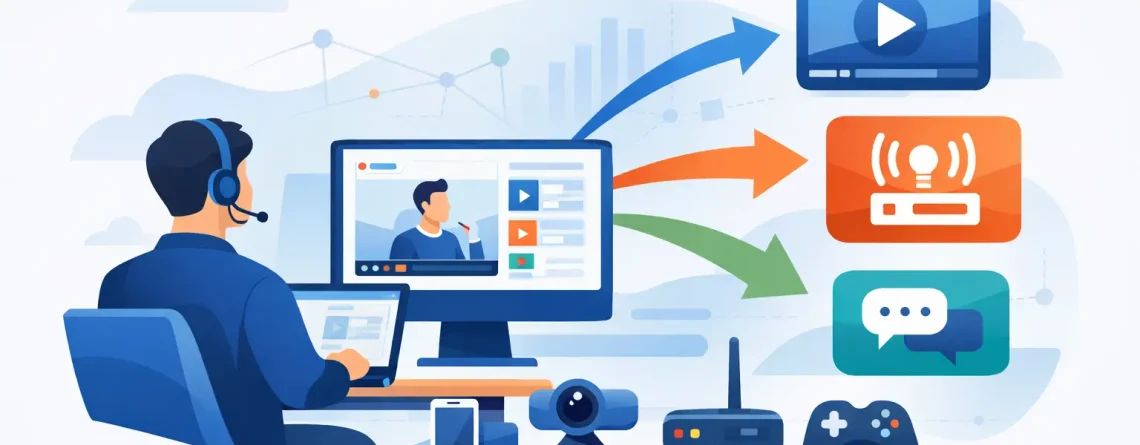
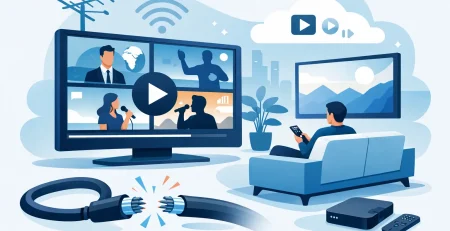
Picture this: one person is watching live sports in the living room, someone else has a movie on in the bedroom, and another family member is catching local news on a phone. No arguing over the remote. No waiting your turn. That is the real answer to what is multi stream – it is the ability to watch different content on multiple devices at the same time under one service plan.
For households that want more entertainment without cable-sized bills, multi-stream is not a bonus feature. It is one of the biggest reasons people switch. If your TV service only works on one screen at a time, it creates friction fast. If it supports multiple simultaneous streams, it fits how people actually watch today.
What is multi stream?
Multi stream means a streaming service can run on more than one device at the same time using the same subscription. Instead of one active session locking everyone else out, the service allows several connections at once. Each connection can usually play its own channel, show, or movie independently.
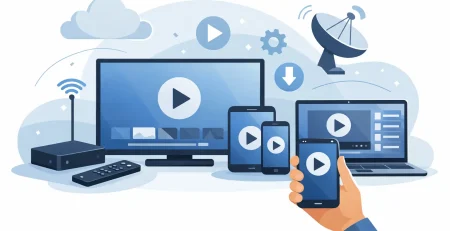
That matters because modern households do not watch TV the same way they did ten years ago. People move between smart TVs, tablets, phones, laptops, and streaming boxes. Kids want cartoons. Adults want sports, movies, news, or international channels. A single-stream setup feels limited almost immediately.
With multi-stream support, one subscription can serve a full home far better. That is why this feature shows up so often in IPTV plans and live TV packages. It solves a basic problem in a simple way – more screens, less hassle.
How multi stream works in real life
At a basic level, your provider allows a set number of simultaneous connections. If your plan includes two, five, or even ten connections, that means up to that number of devices can stream at once. The key phrase is at once. It is not just device compatibility. It is active playback happening at the same time.
This is where people often get confused. A service may say it works on many devices, but that does not always mean all those devices can stream together. You might be able to install the app on ten devices and still only use one stream at a time. True multi-stream service gives you concurrent viewing, not just broad app access.
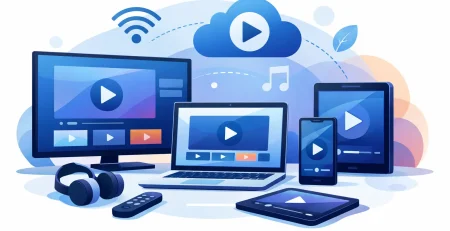
For example, a household may have the service installed on a smart TV, Firestick, Android phone, iPad, and laptop. If the plan supports five simultaneous connections, all five can be used together. If the plan supports only one connection, then everyone is sharing a single active stream no matter how many devices are registered.
Why multi stream matters for IPTV users
For IPTV buyers, value is everything. People are looking for more channels, more flexibility, and lower monthly costs than cable. Multi-stream makes that value much more obvious.
First, it stretches one subscription across real household use. Instead of paying for separate accounts or forcing everyone onto one screen, you can cover multiple viewers under one plan. That is a direct money saver when compared with older TV setups that charged extra for every room and every box.
Second, it gives you freedom. You are not tied to one television in one room. You can watch on your main TV, then continue on a tablet in the kitchen or on your phone while traveling around the house. That convenience is exactly what many cord-cutters want.
Third, it reduces conflict. That may sound small, but in any busy home, it matters. Sports fans, movie lovers, kids, and international channel viewers all have different habits. Multi-stream turns one service into something that actually works for everybody.
What is multi stream vs multi-device?
This distinction matters because marketers often blur the two.
Multi-device means the service is compatible with different types of hardware, such as smart TVs, phones, tablets, streaming sticks, and computers. That tells you where the app or login can be used.
Multi stream means multiple of those devices can watch at the same time. That tells you how many people can actually use the service at once.
A provider can offer multi-device support without true multi-stream access. That is why smart buyers check the number of simultaneous connections, not just the list of compatible devices.
If you are shopping for IPTV, this is one of the easiest ways to avoid disappointment. Broad compatibility sounds good. Simultaneous viewing is what actually changes your daily experience.
Common situations where multi stream makes sense
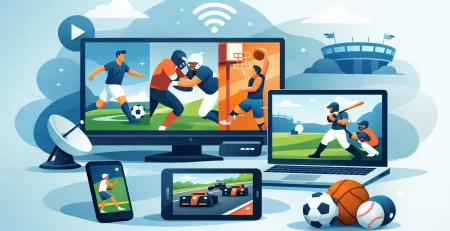
Multi-stream is especially useful for families, shared homes, and anyone who watches more than one type of content throughout the day. A sports-heavy home is a perfect example. One person wants NFL or NBA coverage, another wants regular TV channels, and someone else wants movies or kids content. Without multiple streams, one choice blocks the others.
It also works well for international households. One family member may want US local channels while another wants programming from a different country. A plan with multiple connections keeps both available without forcing a compromise every night.
Then there are flexible viewers who jump between screens. They may start a show on the living room TV, use a tablet later, and have someone else watching on a phone at the same time. Multi-stream makes that normal.
The trade-offs to know before you buy
Multi-stream is a strong feature, but more is not automatically better if the service quality cannot keep up. The number of allowed connections matters, but stream stability matters just as much. If too many simultaneous users create buffering, the feature loses its edge.
That is why shoppers should look at the full picture. Ask how many concurrent streams are included. Ask whether HD quality holds up when several devices are active. Ask how fast activation is and whether support is available if one device has trouble logging in.
There is also a pricing balance. Some plans with more connections cost more, which is fair if you are actually using them. But if you live alone and watch mostly on one TV, paying for a very high stream count may not be the best value. The right number depends on your household size and viewing habits.
How to choose the right number of streams
Start with how many people might watch at the same time, not how many devices you own. Those are very different numbers. A home may have eight devices capable of streaming, but only three active users at once.
If you are a solo viewer, one or two connections may be enough. If you are a couple with separate viewing habits, two to three makes more sense. For larger homes, families with kids, or people sharing access across many screens, higher connection plans are far more practical.
The smartest move is to choose for peak usage, not average usage. Think about weekends, game nights, and evenings when everyone is home. That is when stream limits become obvious.
Multi stream and the cord-cutting advantage
Cable built its business on extra fees, equipment rentals, and limited flexibility. Streaming changed the model. IPTV pushed it further by giving viewers more channels, more device freedom, and faster setup at much lower cost. Multi-stream sits right in the center of that advantage.
It turns a subscription into a household-ready service instead of a one-screen restriction. It supports how people actually live now – mobile, connected, and spread across different rooms and devices. For price-conscious viewers, that is not just convenient. It is a better deal.
This is one reason services like Crypto PAY IPTV put so much emphasis on multiple connections. It speaks directly to what buyers want: more access, less waiting, and better value from a single plan.
So, is multi stream worth it?
If more than one person in your home watches TV, the answer is usually yes. If you care about flexibility, definitely yes. If you want to cut costs without shrinking your entertainment options, multi-stream is one of the easiest features to appreciate from day one.
The real value is simple. You get more freedom from one subscription. More screens in use. More people satisfied. Less friction in the house. That is a big upgrade from the old cable model, and it is exactly why multi-stream has become such a key part of modern IPTV service.
Before you choose any plan, check the connection limit, make sure it matches your household, and think beyond the sales headline. The best setup is the one that gives you enough simultaneous viewing without making you pay for capacity you will never use. When that balance is right, streaming feels easy – and that is the whole point.


Leave a Reply