
What Is Multiple Device Streaming?
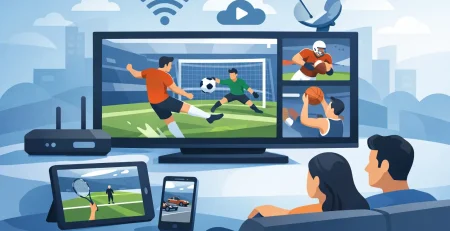
One person wants the game in the living room. Someone else wants a movie on a tablet. Another is catching live news on a phone. That exact setup is why people ask, what is multiple device streaming? It means a single TV service can be used on more than one device, often at the same time, so your household is not fighting over one screen or one login.
For anyone tired of cable limits, rented boxes, and inflated monthly bills, this feature is a big deal. It turns one subscription into a more flexible entertainment setup. Instead of forcing everyone to watch in one place, it gives each person room to stream what they want on the device they already own.
What is multiple device streaming and how does it work?
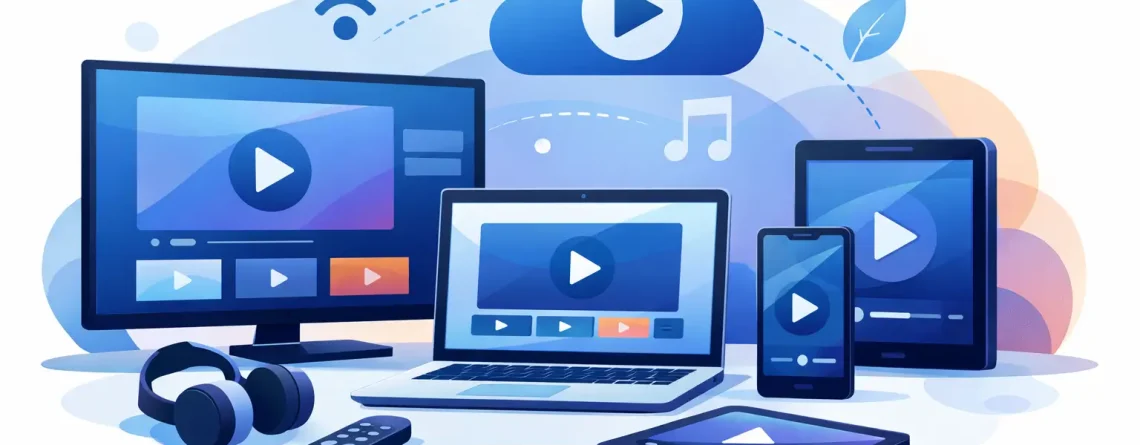
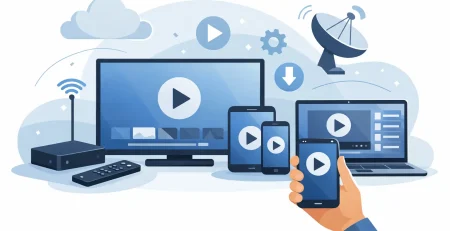
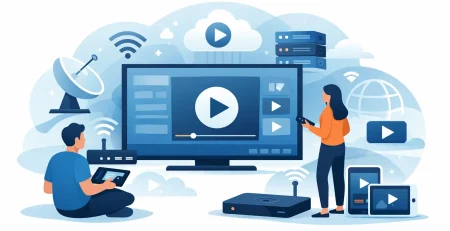
Multiple device streaming is the ability to access a streaming service across several devices such as smart TVs, Firesticks, Android boxes, phones, tablets, and laptops. In many cases, it also means simultaneous viewing, which allows more than one stream at the same time under the same account or plan.
That second part matters most. Some services let you install the app on many devices but only allow one stream at a time. Others let you actively watch on two, four, or even more screens at once. If a provider offers up to 10 connections, that means multiple users in the same household can stream at the same time, depending on the plan terms and the quality of the internet connection.
The system is simple on the customer side. You sign up, receive your login or line details, install the app or player on your devices, and start streaming within minutes. No waiting for a technician. No equipment pileup. No complicated setup process. That speed is one reason multi-device IPTV has become such a strong cable alternative.
Why multiple device streaming matters for real households
Most homes do not watch TV the way they did ten years ago. People move between rooms. Kids use tablets. Adults stream on smart TVs after work. Sports fans watch live events on one screen while someone else puts on a series in the bedroom. A single-screen setup just does not match how people actually watch anymore.
Multiple device streaming solves that problem without forcing you into several expensive subscriptions. It gives households more freedom, more convenience, and better value from one service. If you are paying for entertainment every month, you should be getting access that fits your lifestyle, not access built around old cable hardware.
It also helps with travel and daily routines. A user can start watching at home on a TV, then continue on a phone during a break or on a tablet while away from the main screen. That kind of flexibility is a major reason people switch from traditional TV plans to modern streaming options.
The difference between device support and simultaneous streams
This is where many buyers get confused. A service might say it works on many devices, but that does not always mean many people can watch at once.
Device support means the platform is compatible with different hardware. For example, you may be able to install and use the service on a smart TV, Android phone, iPad, and laptop.
Simultaneous streams or connections mean how many of those devices can actively play content at the same time. That is the number that matters for families, roommates, and multi-screen households.
If you are shopping for IPTV or any streaming plan, always check both. Broad compatibility is great. Multiple active connections are what actually prevent arguments over who gets to watch.
What devices are usually included?
A strong multi-device streaming service should work across the screens people already own. That typically includes smart TVs, streaming sticks, Android TV boxes, smartphones, tablets, computers, and in some cases MAG devices or similar media boxes.
The goal is convenience. You should not need specialized equipment just to watch live TV or movies. The more device options a provider supports, the easier it is to set up your home exactly how you want it. That is especially valuable for larger households where different people prefer different screens.
For many customers, this is one of the biggest advantages over cable. Instead of paying for extra boxes and installation, you use your existing internet connection and your existing devices. Less hassle. Lower cost. Faster access.
What are the biggest benefits?
The biggest benefit is simple – more people can watch more content without interruption. That sounds obvious, but it changes the entire value of a subscription.
A household with multiple connections can spread out across rooms and devices. Parents can watch live channels, kids can stream family content, and sports fans can keep up with games in real time. Everyone gets more control without needing separate contracts.
There is also a serious money angle. Traditional TV costs can climb fast once you add extra rooms, DVRs, premium channels, and equipment fees. Multi-device streaming gives customers a cheaper path to broad access. That is why budget-focused viewers keep moving away from old-school providers.
Speed matters too. A modern IPTV service can often be activated fast, with login credentials sent directly by email so users can begin almost immediately. For customers who want instant access without waiting days for setup, this is a major win.
Are there any limitations?
Yes, and smart buyers should know them.
First, your internet quality still matters. If several people are streaming HD content at the same time, weak Wi-Fi or low bandwidth can create buffering. The service may support multiple connections, but your network has to keep up.
Second, not every provider defines a connection the same way. Some plans are built for one active stream per line. Others sell packages with several simultaneous connections. It is always worth checking exactly how many active streams are included before you buy.
Third, more connections do not automatically mean better quality. A provider still needs stable service, solid channel availability, responsive support, and good compatibility. Multi-device access is powerful, but it works best when the core stream quality is strong.
That is why experienced buyers do not just ask how many screens they can use. They ask how fast activation is, whether the channels are stable, what devices are supported, and how quickly support responds if they need help.
Who should choose multiple device streaming?
This feature makes the most sense for households, couples, families, roommates, and anyone who regularly switches between screens. If you live alone and only ever watch on one TV, a single connection may be enough. But if your home has different viewing habits, multiple device streaming can save time, money, and frustration.
It is especially useful for sports-heavy homes. Live sports are not something people like to miss, and they rarely fit into one shared viewing schedule. One person wants football, another wants basketball, and someone else wants a movie. Multiple connections make that possible without compromise.
It is also a smart fit for international viewers who want access to channels from different countries across several screens. When a service includes worldwide programming and local channels, multi-device support helps every member of the household watch the content that matters to them.
How to choose the right plan
Start with the number of people who are likely to stream at the same time, not just the number of devices in the house. A family may own eight devices but only need three or four active streams. Another home may need more because people watch independently all day.
Then consider your content habits. If your household watches sports, live TV, movies, and international channels across several rooms, choose a plan that gives enough connections to handle peak use. If you go too low, someone gets locked out right when they want to watch.
You should also think about setup speed and support. A strong provider should make activation quick, keep pricing competitive, and offer help when needed. That combination matters just as much as the connection count.
For viewers who want affordability and flexibility, a provider like Crypto PAY IPTV stands out because the appeal is clear – broad channel access, fast activation, and plans built for multi-screen households that want more value for less.
What is multiple device streaming really buying you?
It is not just buying extra screens. It is buying freedom from the old TV model.
You are paying for choice. Choice of device, choice of room, choice of content, and choice of who watches what without turning one subscription into a daily compromise. That is why this feature matters so much to people replacing cable. It matches the way households actually live.
If you are comparing services, do not treat multiple device streaming like a small bonus. For many homes, it is the feature that makes the whole subscription worth it. When your plan supports the right number of connections, works on the devices you already own, and gets you watching fast, TV becomes easier, cheaper, and a lot more practical.
The smartest setup is not the one with the most hardware or the highest bill. It is the one that keeps everyone watching what they want, when they want, without the usual mess.

Leave a Reply