
How to Watch Local Channels Without Cable
Cutting the cord sounds great until game day hits, the weather turns ugly, or you just want your local news at 6. That is where most people get stuck. They want local channels without cable, but they do not want to juggle five apps, miss live broadcasts, or end up paying cable-level prices all over again.
The good news is you have real options now. The better news is you do not need to overpay to get ABC, CBS, FOX, NBC, PBS, and other local stations in many markets. The right choice depends on where you live, what you watch most, and how much convenience matters to you.
The real challenge with local channels without cable
Local TV is not always packaged the same way as national cable channels. That is why some streaming plans look cheap at first, then disappoint when you realize your local NFL game, morning news, or regional weather report is missing.
This is also why there is no single answer for every household. If you live in a city with strong over-the-air signals, an antenna can be a low-cost win. If you want local channels across multiple devices with less setup and more flexibility, live TV streaming or IPTV may fit better. The smartest move is matching the option to your habits, not chasing the lowest advertised monthly price.
Option 1: Use an antenna for local channels without cable
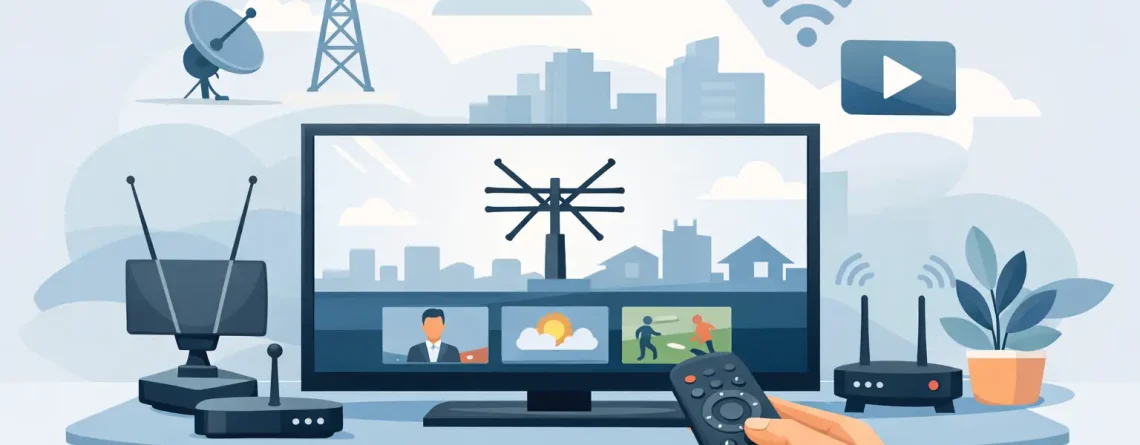
For many Americans, an HD antenna is still the cheapest way to get local channels. Once you buy the antenna, there is usually no monthly bill. You connect it to your TV, scan for channels, and see what is available in your area.
This setup works best when you are reasonably close to broadcast towers and do not have too many signal blockers around you. Apartment buildings, hills, heavy tree cover, and distance from city centers can all affect performance. One home may pull in dozens of channels, while another a few miles away gets far less.
The biggest advantage is cost. If your goal is basic local access for news, major network shows, and live events on one TV, antenna service can be hard to beat. The downside is convenience. You are tied to that TV setup, reception can vary, and you will not get the broader live TV experience many cord-cutters actually want.
Option 2: Try live TV streaming apps
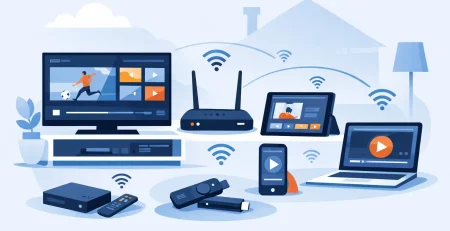
Several streaming services offer local channels in select markets. This route is more polished than an antenna and usually works across smart TVs, phones, tablets, laptops, and streaming devices. If your household watches on multiple screens, that matters.
The trade-off is monthly cost. Many live TV bundles start looking affordable, then creep upward once you add regional sports, cloud DVR, or extra streams. Some markets also get better local coverage than others, so availability is not universal.
This option makes sense if you want a familiar cable-like guide without a contract. It makes less sense if your whole reason for leaving cable is to stop paying premium prices. A lot of viewers switch, then realize they cut the cord but kept the same kind of bill.
Option 3: IPTV for local and broader live TV access
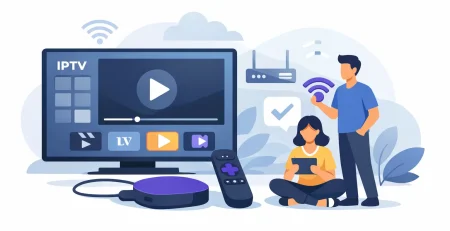
IPTV has become one of the fastest-growing alternatives for viewers who want more channels, more device support, and more value. Instead of relying on a traditional cable box, IPTV delivers live TV over the internet, often with a much wider selection than standard bundles.
For households trying to get local channels without cable while also covering sports, movies, entertainment, and international viewing, IPTV can be the most practical middle ground. It is especially appealing when multiple people in the home want to watch on different devices instead of fighting over one screen.
This is where convenience starts to matter as much as price. A strong IPTV setup can give you fast activation, broad compatibility, and a live TV experience that feels simple instead of fragmented. Services like Crypto PAY IPTV are built around that demand – affordable access, fast setup, multi-device streaming, and the kind of flexibility cable never made easy.
That said, quality can vary by provider. Stream stability, channel availability, support, and app performance are not identical across the market. If you go this route, the best results come from choosing a provider focused on uptime, support, and a broad channel lineup rather than just the cheapest headline offer.
What most people actually want from local channels
When people say they want local channels, they usually mean more than just four network logos. They want live sports on local affiliates, local breaking news, weather alerts, prime-time shows, holiday specials, and easy access for the whole family.
That is why the cheapest solution is not always the best fit. An antenna might be perfect for one person living solo with one television. A family that wants local programming, sports, and entertainment across several devices will usually value range and convenience more.
The hidden cost of a bad setup is frustration. Missed games, frozen streams, weak reception, and app switching get old fast. Saving money matters, but so does getting a setup that people in your house will actually use without complaints.
How to choose the best setup
Start with your viewing habits. If local news and major network access are all you need, an antenna may do the job for the lowest cost. If you want a cable replacement with polished apps and DVR-style features, live TV streaming is worth a look, but expect a bigger monthly bill.
If you want a broader entertainment package without going back to cable pricing, IPTV is often the strongest value play. It gives more flexibility for households that want local channels, sports coverage, movies, and international options in one place.
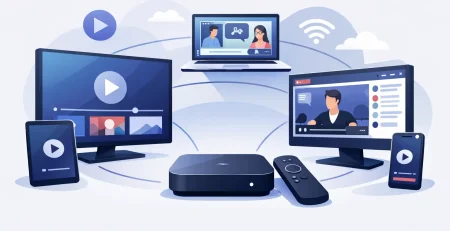
You should also think about device count. One of the biggest reasons people leave cable is because they are tired of paying for boxes and limited room-by-room access. A setup that works on smart TVs, Fire TV devices, Android boxes, phones, and laptops gives you far more freedom with less hassle.
Internet quality matters too. Antennas do not depend on internet service, but streaming and IPTV do. If your internet is weak or inconsistent, that can change the equation. In that case, some households even use a mix – antenna for backup local access and streaming for everything else.
Common mistakes to avoid
The first mistake is assuming every streaming service includes every local station in every ZIP code. It does not. Always check market coverage before committing.
The second is focusing only on monthly price. A cheap service with missing locals, limited screens, or clunky apps can feel expensive once the frustration starts. Value is about what you actually get and how smoothly it works.
The third is ignoring setup speed and support. If you want fast access, choose an option that does not turn activation into a project. This matters even more for less tech-heavy users or busy households that just want live TV working today, not next weekend.
So what is the best way to get local channels without cable?
For pure savings, antenna wins. For a polished mainstream app experience, live TV streaming works. For viewers who want aggressive value, more channel variety, and multi-device flexibility, IPTV is hard to ignore.
There is no perfect one-size-fits-all answer, and that is the point. The best setup is the one that matches your budget, your devices, and your real viewing habits. If cable feels overpriced and outdated, you are not out of options anymore. You are just one smart switch away from a simpler and cheaper way to watch.
If your goal is to keep local TV, cut the monthly bill, and stop making entertainment harder than it needs to be, start with the option that gives you the right mix of price and convenience. Then stick with the setup that keeps your household watching, not troubleshooting.


Leave a Reply